Mental Health in Pregnancy: Looking Beyond Postpartum.
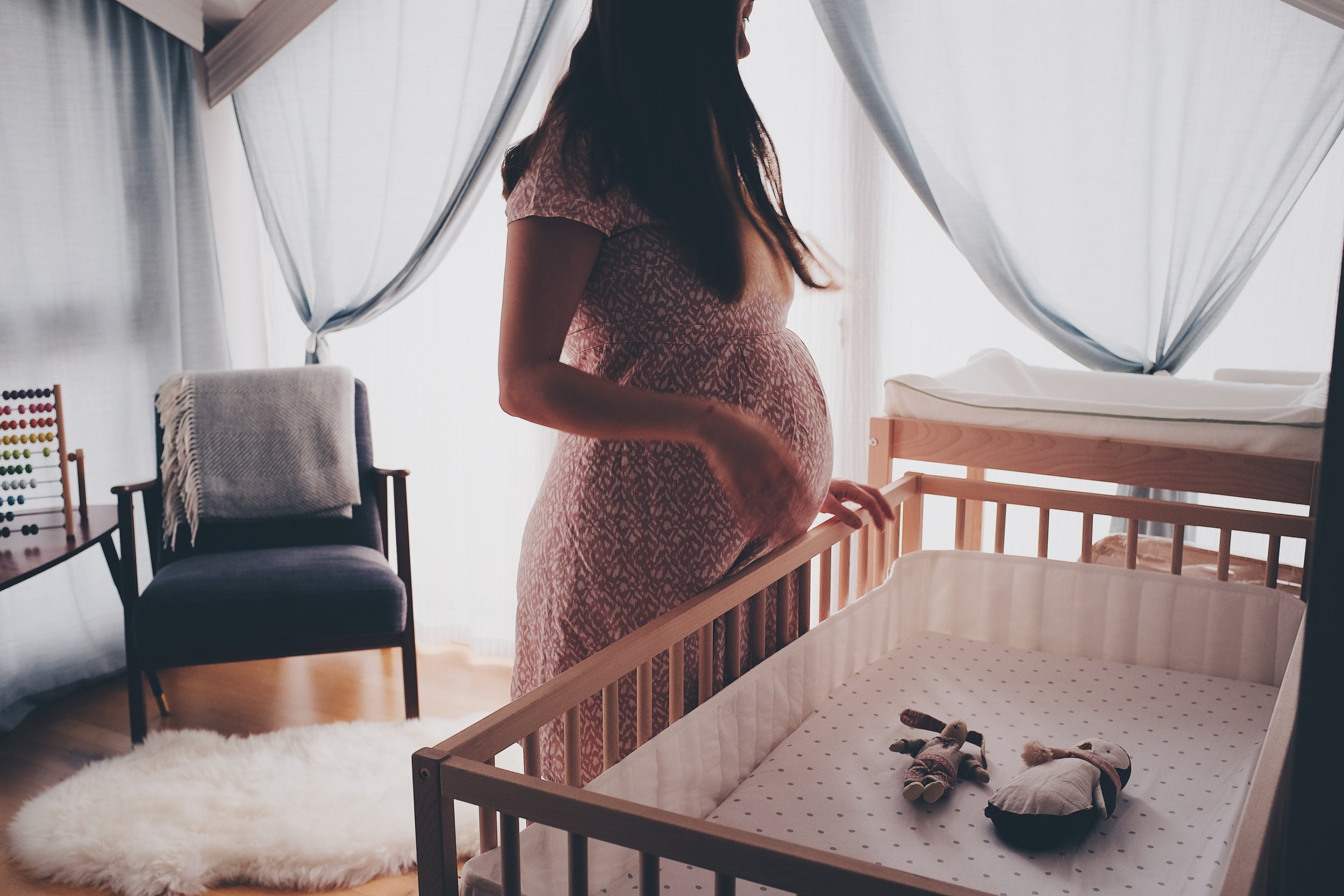
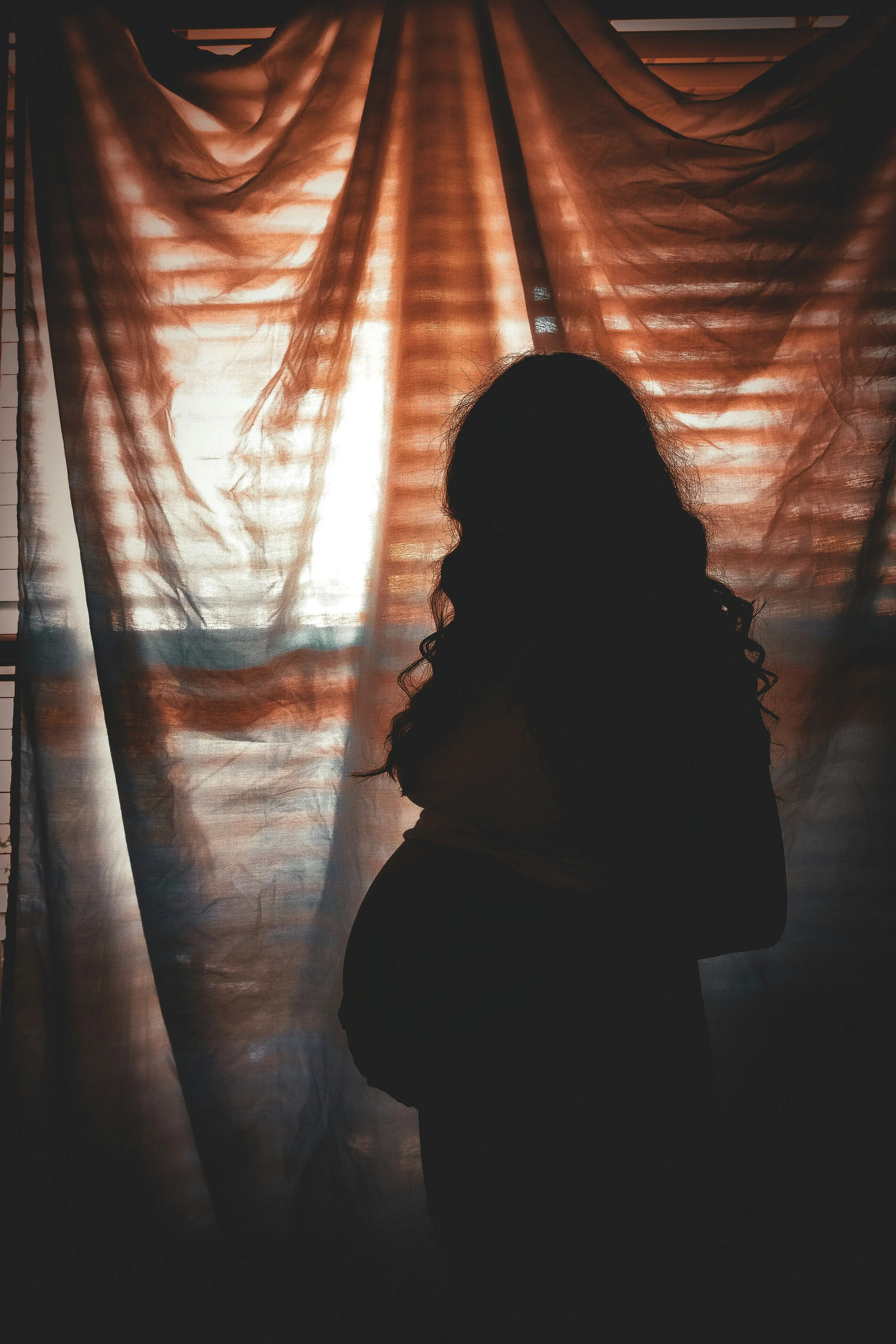
Photo by Ömürden Cengiz on Unsplash
Share
Much of the conversation about maternal mental health focuses on the postpartum period - the time after a baby is born. But for many women, symptoms of depression, anxiety, and other forms of mental ill health begin during pregnancy.
When the focus remains only on postpartum, women struggling during pregnancy can feel invisible or ashamed. It’s time we broadened the conversation to recognise mental health across the entire perinatal period - pregnancy as well as postpartum.
Maternal Mental Health is More Than 'Postpartum'
As the host of Perinatal Stories Australia, I have the honour of speaking with mothers about what is often the most challenging time of their lives — during what is supposed to be the most joyful. One thing I hear far too often is how these experiences of mental ill health during pregnancy are overlooked or dismissed, sometimes even by mothers themselves.
“It’s just hormones.”
“It’s normal to feel anxious when you’re pregnant.”
“It’ll be fine once the baby’s here… right?”
These kinds of responses reflect a broader cultural narrative: that maternal mental health challenges begin after the baby is born. Yet the reality is far more complex.
Mental Ill Health Also Begins During Pregnancy
From my own experience of antenatal anxiety and tokophobia, I knew that perinatal depression and anxiety (PNDA) could occur during pregnancy. What I didn't realise at the time was just how common it can actually be.
Research suggests that maternal mental health concerns often emerge during pregnancy itself — not only after birth — but aren’t always recognised until later. In fact, studies estimate that around half of major depressive episodes in the perinatal period begin during pregnancy (Yonkers et al., 2001).
In your words.
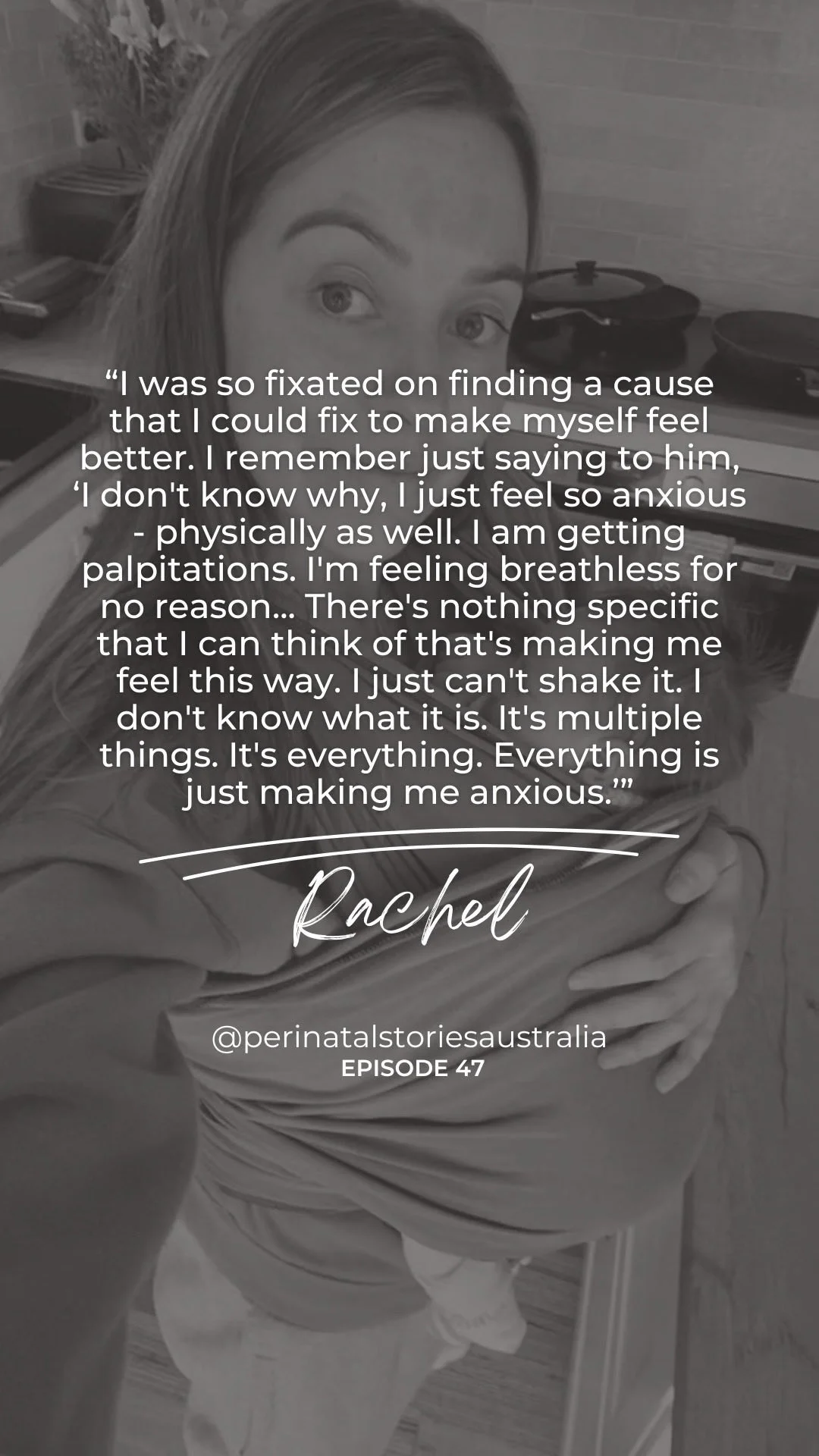
"I fell pregnant with my daughter and that's the beginning of the mental health journey. That's the beginning of the magical thinking in pregnancy, the superstitions, the worst case scenarios, the catastrophising of everything, feeling like I didn't deserve having her — and all of this went undiagnosed during my pregnancy... I thought if I just get to her being born then I won’t feel like this anymore. But with having her, the reduction in anxiety never came."
Longitudinal research also suggests that many cases of postnatal depression may actually be a continuation of depression that began during pregnancy (Underwood et al., 2016).
Despite this prevalence, depression during pregnancy remains widely unrecognised, meaning many women do not receive support until symptoms become more severe — or until after their baby is born.
For many women, the emotional changes of pregnancy are not simply a matter of hormones or adjustment. They can be the early signs — or the onset — of depression, anxiety, intrusive thoughts, distress, trauma responses, or other forms of mental ill health that deserve recognition and support.
Yet much of the conversation about maternal mental health continues to focus on the postpartum period. While postpartum depression deserves attention, it only represents part of the picture. When pregnancy is left out of the conversation, the experiences of women whose mental health declines during pregnancy can be overlooked.
The Diagnostic and Statistical Manual of Mental Disorders (DSM-5) summarises the evidence starkly:
"Major depressive disorder during pregnancy remains underdetected and undertreated." (Yonkers et al., 2001)
I say this with my chest: ‘underdetected’ and ‘undertreated’ are two words we should never be comfortable seeing in the context of maternal mental health.
Why Antenatal Mental Ill Health is Often Overlooked
Mental ill health during pregnancy can be difficult to recognise — not only for healthcare providers, but for mothers themselves. Several factors, often interrelated, can contribute to antenatal depression, anxiety, and other conditions going unnoticed or unsupported. These include gaps in screening, stigma around mental health, or uncertainty about what is ‘normal’ during pregnancy.
When Symptoms are Dismissed as ‘Normal’.
Pregnancy brings many physical and emotional changes, and it’s common for mood fluctuations, worry, or exhaustion to be attributed to hormones or the natural adjustments of preparing for a baby — both by others and by women themselves.
In your words.
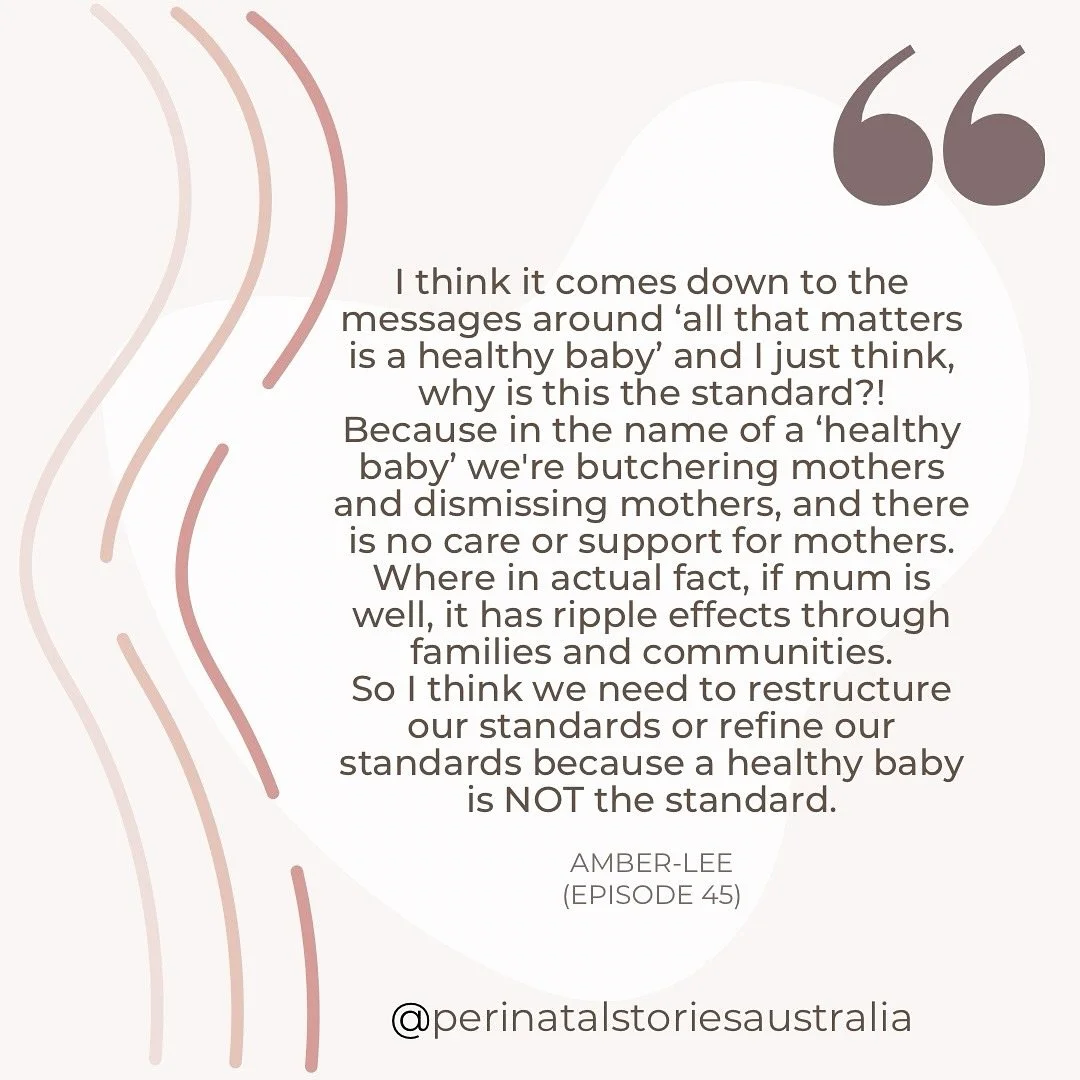
“It is hard, I think, mental health in pregnancy, because your hormones get blamed for everything…. Everything is like ‘you're just hormonal’ and same thing when you've had the baby, like the 'baby blues'. Yes, it's very hormonal and it's very real, but it sort of gets minimised because it's hormones... Once the hormones started to settle, it got a little bit easier, but it didn't go away...”
In some cases, women are reassured that their feelings will resolve once the baby is born, reinforcing the idea that distress during pregnancy is temporary, expected or simply part of being pregnant.
While some emotional changes are indeed part of pregnancy, this explanation can sometimes minimise or obscure more serious distress. When symptoms are quickly attributed to hormones or as a ‘normal’ part of pregnancy, the possibility of antenatal depression, anxiety, or other mental health conditions may not always be fully considered.
As the Centre of Perinatal Excellence (COPE) explains:
"It is expected that pregnancy comes with many hormonal changes, often early signs of antenatal depression or anxiety are associated with this – and, hence, the conditions go unrecognised and untreated."
Over time, these responses can also shape how women internalise and interpret their own experiences. When distress is repeatedly framed as ‘normal’, some mothers may begin to question whether their feelings are valid, or assume that what they are experiencing is simply part of pregnancy.
When Awareness Mainly Focuses on Postpartum.
Public awareness campaigns, media conversations, some healthcare messaging, and cultural narratives about maternal mental health have historically centred on postpartum depression. While this has helped increase recognition of mental health challenges after birth, it can unintentionally reinforce the idea that maternal mental ill health begins only once a baby arrives.
In your words.
“I tried to advocate more for myself because I had mentioned it a couple of times in the previous appointments that I wasn’t feeling great and I was feeling super stressed and anxious, and it was just brushed off as, ‘It’s okay, you’ll be fine. It’s what happens in pregnancy...’”
When the conversation focuses primarily on postpartum, it can obscure the reality that mental health challenges often begin during pregnancy.
When pregnancy is left out of these conversations, women experiencing antenatal depression, anxiety, intrusive thoughts, or trauma responses may find it harder to recognise their experiences — or to feel that they are valid.
When Screening and Support Fall Short.
In your words.
“I said to [the midwife], 'I am quite anxious, I definitely am struggling with anxiety.’ But she didn’t question me any further... I was like: If no one is questioning me, then it must be fine…”
In some cases, antenatal mental ill health can also be overlooked because systems of screening and support vary across healthcare settings.
While many maternity services now include mental health screening during pregnancy, these conversations may not always capture the full complexity of a woman’s experience. Time pressures, stigma, or uncertainty about what is ‘normal’ during pregnancy can also make it harder for women to speak openly about how they are feeling.
Greater awareness of antenatal mental health can help ensure that mothers receive the understanding and mental health support they deserve — not only after birth, but throughout pregnancy as well.
While there is no single reason why antenatal mental health is overlooked, there are many micro-moments that can collectively lead to the normalisation and internalisation of mental ill health symptoms in pregnancy.
These patterns highlight an important gap in how maternal mental health is often discussed and understood. When conversations focus primarily on the postpartum period, the experiences of women struggling during pregnancy can remain invisible.
Mental health in pregnancy is not separate from maternal mental health — it’s part of it.
This is where the concept of perinatal mental health becomes so important.
What Does ‘Perinatal’ Actually Mean?
The term perinatal refers to the period encompassing both pregnancy and the period after birth. While definitions of the perinatal timeframe can vary slightly, it’s commonly understood to include pregnancy and up to one year after birth.
In your words.
“They had seen how distressed I had been, and they all knew I had anxiety. But at this stage, we hadn't really thought, maybe I need to speak to someone about what is actually going on. As we all thought, hopefully our daughter would arrive and then it would bypass.”
In the context of mental health, perinatal recognises that emotional wellbeing during pregnancy and postpartum are closely connected, and that mental health challenges can arise at any point across this time — not just during postpartum.
While the term postpartum depression is widely recognised, it can unintentionally suggest that maternal mental health challenges begin only after a baby is born. In reality, many women experience symptoms during pregnancy, and those experiences are equally part of perinatal mental health.
Using the term perinatal mental health helps broaden the conversation. It acknowledges that maternal mental health does not begin at birth, and that support and recognition are just as important during pregnancy as they are after it.
When we talk about maternal mental health across the entire perinatal period, we create space for the experiences of women whose struggles begin long before the postpartum months.
Language shapes awareness, and awareness shapes whether women feel seen, understood, and supported.
Why We Need to Talk About Mental Health in Pregnancy
Too often, the conversation about maternal mental health begins after the baby is born. But for many women, the struggle begins much earlier. By recognising mental health across the entire perinatal period — pregnancy as well as postpartum — we can create a more informed and compassionate conversation that supports mothers at every stage.
Remember…
By recognising mental health across the entire perinatal period — pregnancy as well as postpartum — we can create a more informed and compassionate conversation that supports mothers at every stage.
Talking more openly about mental health during pregnancy can also reduce stigma and make it easier for women to seek help without fear of judgement.
Greater awareness of antenatal mental ill health is critical in a context where many women feel dismissed — whether by others, by care providers, or even by themselves. Recognising the signs of mental ill health during pregnancy should not be specialist knowledge; it should be part of our shared understanding of maternal health.
Increasing societal awareness can also help reduce the stigma and shame that continue to act as barriers to help-seeking for many mothers.
We also know that routine mental health screening improves detection and enables earlier intervention. For this reason, screening should begin during pregnancy — or even during pre-conception care — rather than being limited to the six-week postpartum check-up, when early opportunities for support may have already been missed.
Maternal mental health does not only begin after birth — and our awareness of it shouldn’t either.
Sources
Underwood, L., Waldie, K., D'Souza, S., Peterson, E. R., & Morton, S. (2016). A review of longitudinal studies on antenatal and postnatal depression. Archives of women's mental health, 19(5), 711–720. https://doi.org/10.1007/s00737-016-0629-1
Yonkers, K. A., Ramin, S. M., Rush, A. J., Navarrete, C. A., Carmody, T., March, D., Heartwell, S. F., & Leveno, K. J. (2001). Onset and persistence of postpartum depression in an inner-city maternal health clinic system. The American journal of psychiatry, 158(11), 1856–1863. https://doi.org/10.1176/appi.ajp.158.11.1856
This blog is informed by lived experience and is not intended as medical advice.
If you or someone you know needs support, Perinatal Stories Australia encourages you to reach out to Lifeline (13 11 14), 13YARN (13 19 76), or Suicide Callback Service (1300 659 467).